On Thanksgiving Day, the kitchens at The Parliament in New York and Scull and Keel in Boston cook for more than 50 guests. Executive Chef Rakmin Lee runs The Parliament at The Benjamin Royal Sonesta New York, and Executive Chef David Mahady runs Scull and Keel at The Royal Sonesta Boston. Getting a holiday meal out on time, at that scale, is their whole job.
We asked them how they’d handle it at home, cooking for one table instead of a full dining room. Their answers cover when to start (earlier than most people do), how to get crisp turkey skin, how to manage with a single oven, and which sides to make ahead. On a few points the two chefs disagree, so you can pick the method that suits your kitchen.
And if you’d rather not cook at all, both restaurants are serving Thanksgiving dinner this year.
1. Start Two to Three Days Out
Both chefs plan the meal backward from dinnertime, so by Thursday most of the work is done and the oven is free for the turkey. Chef Lee works in phases, starting three days ahead. Chef Mahady starts his turkey two days ahead and writes out a timeline for Thursday the day before.
“Preparing Thanksgiving dinner smoothly is all about precise timing and reverse engineering your day.”, says Chef Lee.
“Write a cooking timeline for the next day and stick to it,” advises Chef Mahady.
Here’s how their two schedules combine:
| When | What to do |
| Tuesday (2 to 3 days out) | Brine the turkey (wet or dry). Roast turkey wings and necks and make the stock for your gravy. Measure out dry ingredients for stuffing and baking. |
| Wednesday | Take the turkey out of a wet brine and leave it uncovered in the fridge overnight. Write out Thursday’s timeline. Mix the dressing, make cranberry sauce or chutney, chop vegetables, and bake the pies. |
| Thursday morning | Blanch green vegetables and chill them in ice water. Wash and prep salad greens, but don’t dress them. |
| About 4 hours before dinner | Turkey goes into the oven. Chef Mahady roasts at 325°F. The standard cooking time for roasting a turkey at 325°F is based on a bird weight of 12 to 14 pounds. For an unstuffed turkey of this size, it typically takes 3 to 3¾ hours to roast completely, or until the thickest part of the thigh reaches an internal temperature of 165°F. |
| About 1 hour before dinner | Pull the turkey when the breast reads 160°F and let it rest. Turn the oven up for the sides. |
| Last 15 minutes | Finish the gravy with pan drippings. Sauté the blanched greens. Dress the salad. Carve. |
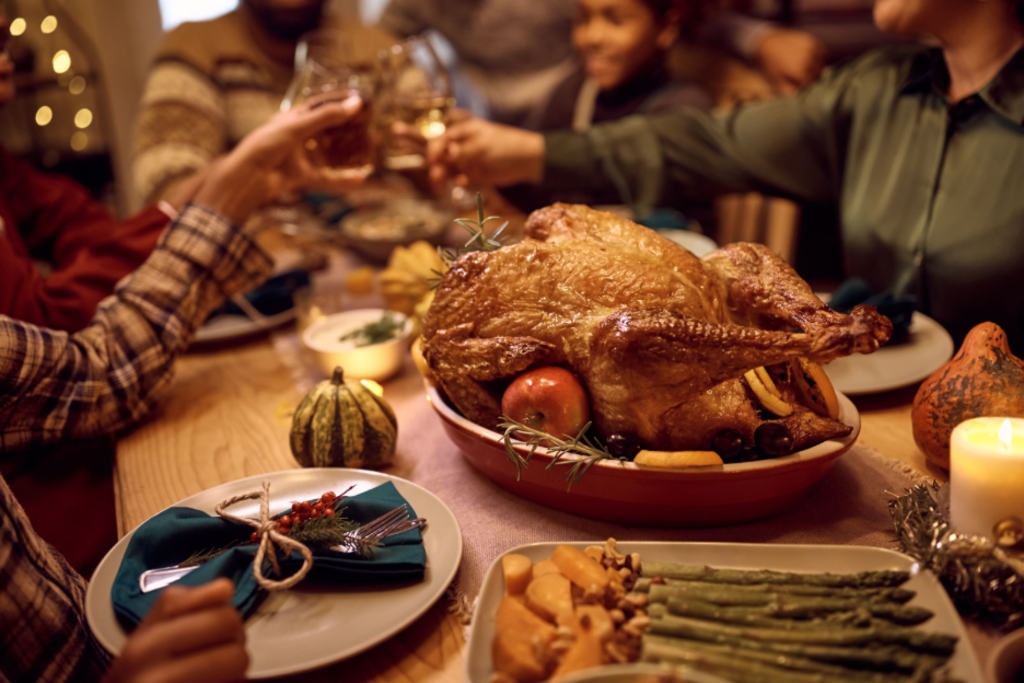
Both chefs leave the turkey uncovered in the fridge the night before roasting, which dries the skin so it crisps in the oven.
2. Brine the Turkey, Dry It, Then Let It Rest
Both chefs brine their turkeys. Brining seasons the meat all the way through instead of just the surface. Leaving the bird uncovered in the fridge afterward dries out the skin, which is what makes it crisp.
Wet brine or dry brine
Chef Lee decides by weight. For turkeys over 20 pounds, he uses a wet brine, keeps the bird submerged for at least 24 hours, then gives it a full day to air-dry. For smaller birds, he dry-brines. If your fridge is already packed, he says a two-day dry brine is the better choice, since there’s no container of liquid to fit on a shelf.
Chef Mahady wet-brines two days out. The day before Thanksgiving, he takes the turkey out of the brine and lets it air-dry in the fridge overnight.
“Cutting too soon lets the juices run onto the board and leaves the meat dry. The rest also gives you time to finish gravy and sides,” explains Chef Mahady.
Roast to temperature
Mahady recommends buying the best turkey you can afford, ideally fresh and pasture-raised, and cooking it with a meat thermometer. On Thanksgiving morning, he slides butter under the skin and fills the cavity with garlic and fresh herbs, or with classic dressing. He roasts at 325°F and takes the turkey out when the breast reads 160°F. Carryover heat brings it to a safe 165°F as it rests.
If you stuff the bird, check the stuffing as well. It has to reach 165°F on its own.
How long to rest it
Resting lets the juices settle back into the meat, so they don’t run out onto the cutting board when you carve. Mahady tents the turkey loosely with foil and rests it for 45 to 60 minutes. Lee goes by size:
- 20 to 30 minutes for a 12- to 13-pound turkey
- 45 minutes to an hour for a turkey over 20 pounds
3. Use the Resting Hour as Your Oven Window
With one oven, the turkey is the bottleneck. But once it comes out, it rests for up to an hour, and that hour is when the rest of the meal goes in.
Mahady roasts his turkey at 325°F. As soon as it’s out, he turns the oven up to 400 to 425°F and bakes the stuffing, roasted vegetables, rolls, and casseroles. He reheats make-ahead dishes at 350°F and holds finished ones at 200°F.
Lee also fills the oven with casseroles, stuffing, and roasted sides the moment the turkey is on the counter. Once everything is baked, he lowers the oven to the lowest ‘Keep Warm’ setting (or 170°F) and keeps the dishes covered so they stay hot without overcooking.
Keep food hot outside the oven
Mahady also uses other heat sources so the oven isn’t doing all the work:
- Stovetop and slow cooker: gravy and mashed potatoes
- Insulated cooler: wrap hot casserole dishes in foil and thick towels, then pack them into a clean cooler. They’ll stay hot for hours.
- Warming trays: bread baskets, rolls, and serving platters on the counter
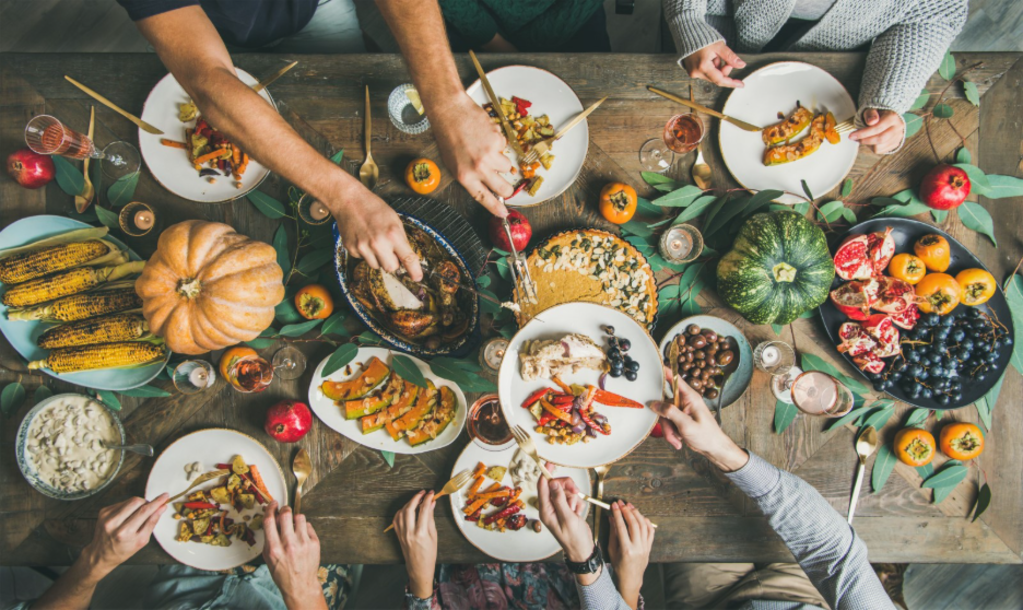
Heavy sides can wait. Greens, bread, and salad are the best in the last few minutes.
4. Sort Your Sides into Make-Ahead and Last-Minute
Lee’s trick for green vegetables comes straight from restaurant kitchens. Earlier in the day, he blanches asparagus, Brussels sprouts, or haricots verts in salted water, then plunges them into an ice bath to stop the cooking. Right before dinner, they go into a hot pan for a quick sauté and come out crisp and bright green.
Both chefs apply the same thinking to the whole menu. Dense, saucy, and starchy dishes hold their heat and texture, so make them early. Crisp vegetables, bread, and salad don’t, so finish them last.
- Make ahead: mashed potatoes, stuffing, root vegetable bakes, casseroles, cranberry sauce, and fruit chutneys. Cranberry sauce can be done the day before. Keep the rest covered and warm off to the side.
- Finish at the end: green beans, Brussels sprouts, rolls, and salad. Prep the salad greens earlier in the day but don’t dress them until everyone’s ready to eat.
5. Make the Gravy Before Thursday
Chef Lee considers gravy the real star of the table, because it’s what ties the turkey, stuffing, and potatoes together. Two days out, he roasts turkey necks and wings with aromatics and makes a rich, collagen-heavy stock. On Thanksgiving, he finishes it with fresh pan drippings, herbs, and a splash of cognac or white wine.
“The turkey gets all the spotlight, but a rich, velvety, scratch–made gravy is what unifies the entire Thanksgiving plate.” says Chef Lee.
Chef Mahady keeps his gravy classic. He makes the stock ahead of time. While the turkey rests, he cooks butter and flour into a light blonde roux, then whisks in the warm stock and the pan drippings until smooth.
Either way, the slow part is done days before, and only a quick finish is left for Thursday.
📖 Read Next: 6 Best Places to Travel in Early December: How to Beat Peak Holiday Prices
Meet the Chefs
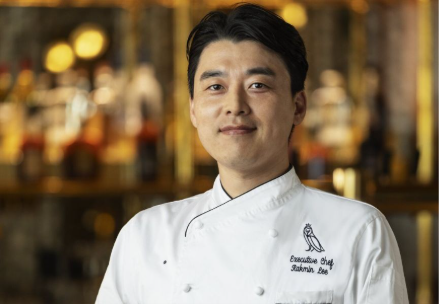 Chef Rakmin Lee, The Parliament, New York | Rakmin LeeExecutive Chef Rakmin Lee leads the kitchen at The Parliament, inside The Benjamin Royal Sonesta New York in Midtown Manhattan. Born and raised in Korea, Chef Rakmin Lee discovered his passion for cooking during middle school and began his first kitchen job at the age of 19. After gaining experience in various hotel kitchens and working with multiple cuisines, Chef moved to the United States in 2010 to attend the Culinary Institute of America. After graduating, Chef Rakmin Lee had the opportunity to work with a variety of Michelin- starred restaurant groups. Throughout his career, he has worked with a wide range of cuisines – including Korean, Japanese, Chinese, French, and Italian. Trained in classical technique, he cooks American classics with a modern approach. At the holidays, his cooking leans on early prep and slow-built stocks and gravies. |
David MahadyExecutive Chef David Mahady runs the kitchen at Scull and Keel, inside The Royal Sonesta Boston on the Charles River. Chef Mahady has worked at The Royal Sonesta Boston for 9 ½ years and has a simple culinary philosophy for the holiday meals: to create meals with a nostalgia-type comfort, preparing fresh, local dishes that remind you of home. He has spent decades in high-volume hotel kitchens. His cooking centers on comfort food and local sourcing, and he plans holiday service around practical shortcuts that keep a full dining room on schedule. | 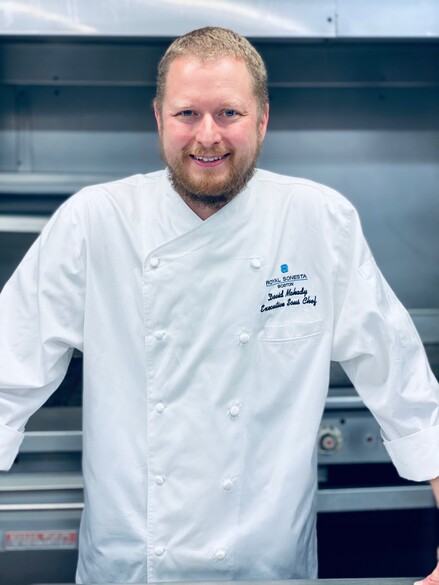 Chef David Mahady, Scull and Keel, Boston |
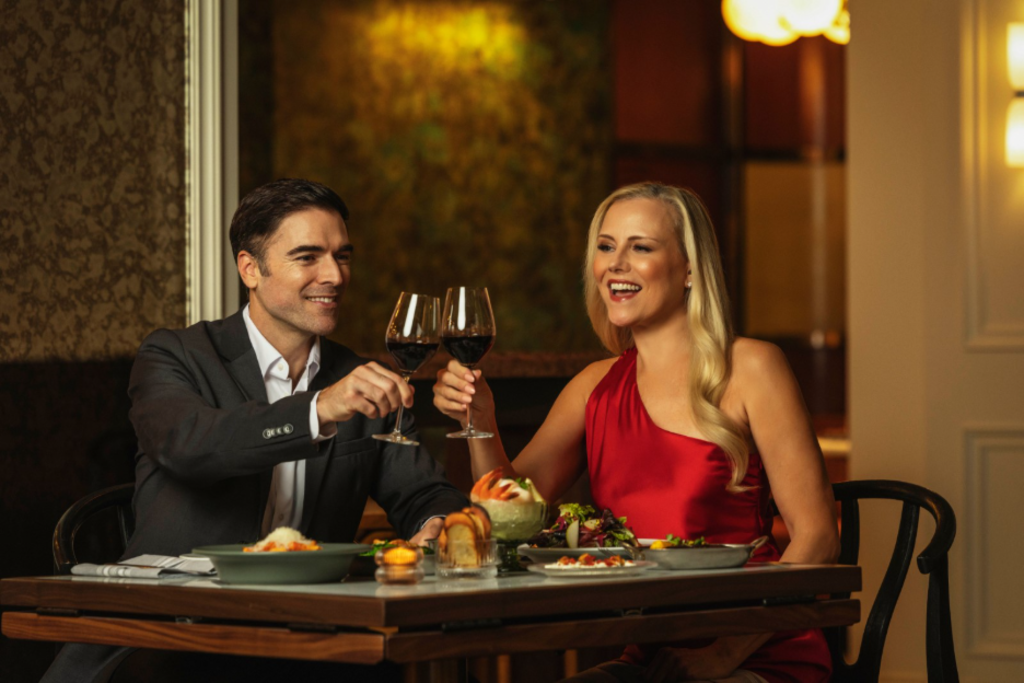
The Parliament at The Benjamin Royal Sonesta New York
Or Let Them Cook for You
If you’d rather skip the cooking, both restaurants will serve Thanksgiving dinner on Thursday, November 26.
At The Parliament inside The Benjamin Royal Sonesta New York, Chef Lee and his team will serve turkey pot pie, turkey ballotine, a 21-day aged striploin, and roasted brown butter cabbage, followed by pumpkin or pecan pie with artisanal gelato. Reserve your table here.
At Scull & Keel inside The Royal Sonesta Boston Hotel, Chef Mahady’s kitchen will open with breakfast specials, then serve a family-style Thanksgiving feast from 12:00 to 7:30 p.m. A snack menu will be available on request from 12:00 to 9:00 p.m. Reserve your seat here.
📖 Read Next: Uncover 25 Hidden Gems in New York City with Sonesta
Disclaimer: The suggested itinerary and points of interest are provided for informational and planning purposes only. Guests are encouraged to independently verify opening hours, availability, travel times, and any potential changes prior to visiting. The inclusion of any businesses, attractions, or destinations does not imply affiliation with or endorsement by Sonesta or its affiliates. Sonesta makes no representations or warranties regarding the accuracy or completeness of the information provided and assumes no responsibility for any inconvenience or loss arising from the use of this information.