Washington, DC, has a way of surprising people who slow down long enough to notice it.
Beyond the marble landmarks and political headlines, there’s another version of the city—one stitched together by neighborhood coffee shops, late-night carryout counters, hidden bookstores, waterfront walks, and Metro rides shared with commuters heading home after work.
The easiest way to experience that side of DC is the same way locals do: hopping on the Washington Metropolitan Area Transit Authority (WMATA) system and letting the city unfold stop by stop.
For visitors staying in Arlington, Virginia, the Metro makes it remarkably easy to move between the capital’s most character-filled neighborhoods without ever needing a car. With multiple Sonesta Hotels properties across Arlington, Virginia—including 16 hotels throughout the area—you’re close enough to the city to explore freely while still enjoying a quieter place to recharge at the end of the day.
This three-day itinerary is designed for travelers who want to experience Washington D.C. beyond the postcard version. Explore the bookstores tucked between rowhouses, take in the murals hidden in alleyways, and savor the cafés locals return to week after week. No gimmicks, just tried and true favorites.
Day 1: Coffee Shops, Bookstores & Neighborhood Wandering
Morning: Rosslyn to Mount Pleasant
Start the morning in:
Within minutes, Metro lines carry you across the Potomac and into one of DC’s most quietly charming neighborhoods:
Here, the pace feels noticeably softer. Neighbors greet each other on sidewalks. Dogs nap outside corner cafés. The smell of espresso drifts through tree-lined streets that feel more residential than touristy.
Start with:
The pastries are worth the trip alone, but lingering over coffee here feels like getting a small glimpse into the rhythm of daily life in the neighborhood.
A short walk away sits:
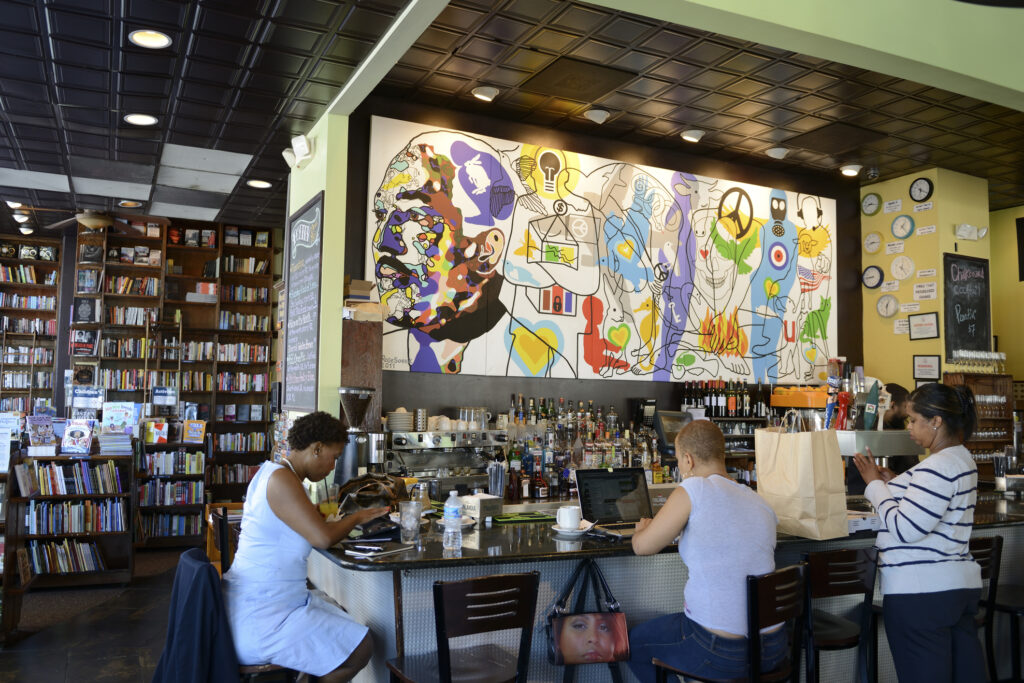
Part bookstore, part café, part community gathering space, it’s the kind of place travelers rarely find unless someone local points them there first.
Afternoon: Adams Morgan
From Mount Pleasant, wander downhill into:
In the daytime, Adams Morgan feels far removed from the energetic nightlife crowds it’s known for after dark. By morning, the neighborhood settles into a more relaxed rhythm, with colorful murals, independent shops, and cafés slowly filling with locals. Murals wrap around historic buildings, vintage stores spill onto sidewalks, and music drifts from open windows. Duck into small bakeries or browse record stores – either way, this is a neighborhood best explored slowly, without much of a plan.
Take side streets instead of main corridors while you’re here. That’s usually where the city becomes most memorable.
Evening: Columbia Heights
As evening settles in, head toward:
The neighborhood’s energy shifts block by block, reflecting the diversity that gives DC so much of its character. It’s an ideal place for an unhurried dinner—somewhere casual, lively, and filled with locals finishing their day.
Day 2: Murals, Markets & Music History
Morning: Shaw & Blagden Alley
Ride the Metro to:
At first glance, Shaw feels polished and modern. But woven between new restaurants and cafés are layers of DC history that still shape the neighborhood today.
Start with coffee at:
Then wander into Blagden Alley, where murals, tucked-away patios, and quiet corners create one of the city’s most unexpectedly photogenic pockets.
The beauty of DC often reveals itself this way. Not through grand attractions, but through details hidden in plain sight.
Midday: U Street Corridor
A short walk brings you into:
Long considered one of the cultural hearts of Washington, U Street carries deep musical and cultural history while still feeling deeply local.
Spend time wandering beyond the busiest blocks:
- independent boutiques
- Ethiopian restaurants filled with regulars
- historic jazz venues that shaped the city’s identity
The neighborhood feels layered—past and present existing side by side.
Afternoon: Union Market District
By lunchtime, head toward:
Union Market hums with the kind of energy that makes you want to stay longer than planned. With coffee in hand, browsing shelves you hadn’t intended to stop at. It feels creative without trying too hard.
Inside and around the market, you’ll find:
- local food vendors
- independent retailers
- rotating art and pop-ups
- rooftop views overlooking Northeast DC
Evening: H Street NE
End the evening in:
Less polished than downtown and all the more interesting because of it, H Street has a lived-in energy that rewards curiosity.
Catch live music, step into a neighborhood bar, and ride the streetcar for a few stops simply to see the corridor unfold outside the window.
Day 3: Waterfronts, Quiet Corners & Slower Mornings
Morning: Georgetown by Bus
One of the first things locals learn is that the bus is often the easiest way into:
A few blocks away from the busiest shopping streets, the pace softens considerably. Brick sidewalks, ivy-covered rowhomes, and the quiet edge of the C&O Canal feel almost cinematic early in the morning.
This is important: walk without rushing! Pause at the canal bridges, peek through hidden garden gates, and grab coffee somewhere tucked just off M Street.
Georgetown rewards wandering more than scheduling.
Midday: The Wharf
From Georgetown, head down toward the waterfront at:
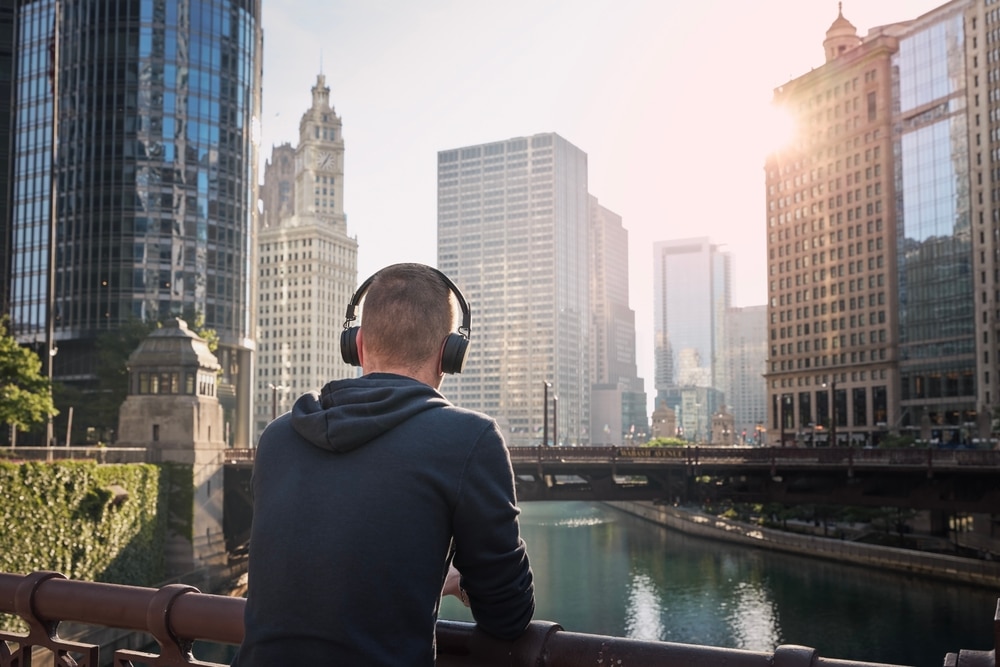
By afternoon, the waterfront fills with runners, remote workers, boaters, and visitors lingering over lunch by the marina.
The Wharf works best when approached casually:
- seafood by the water
- long walks along the piers
- an afternoon drink while watching planes descend toward Reagan National Airport
There’s no real need to rush anywhere here.
Afternoon: Capitol Hill
Take Metro toward:
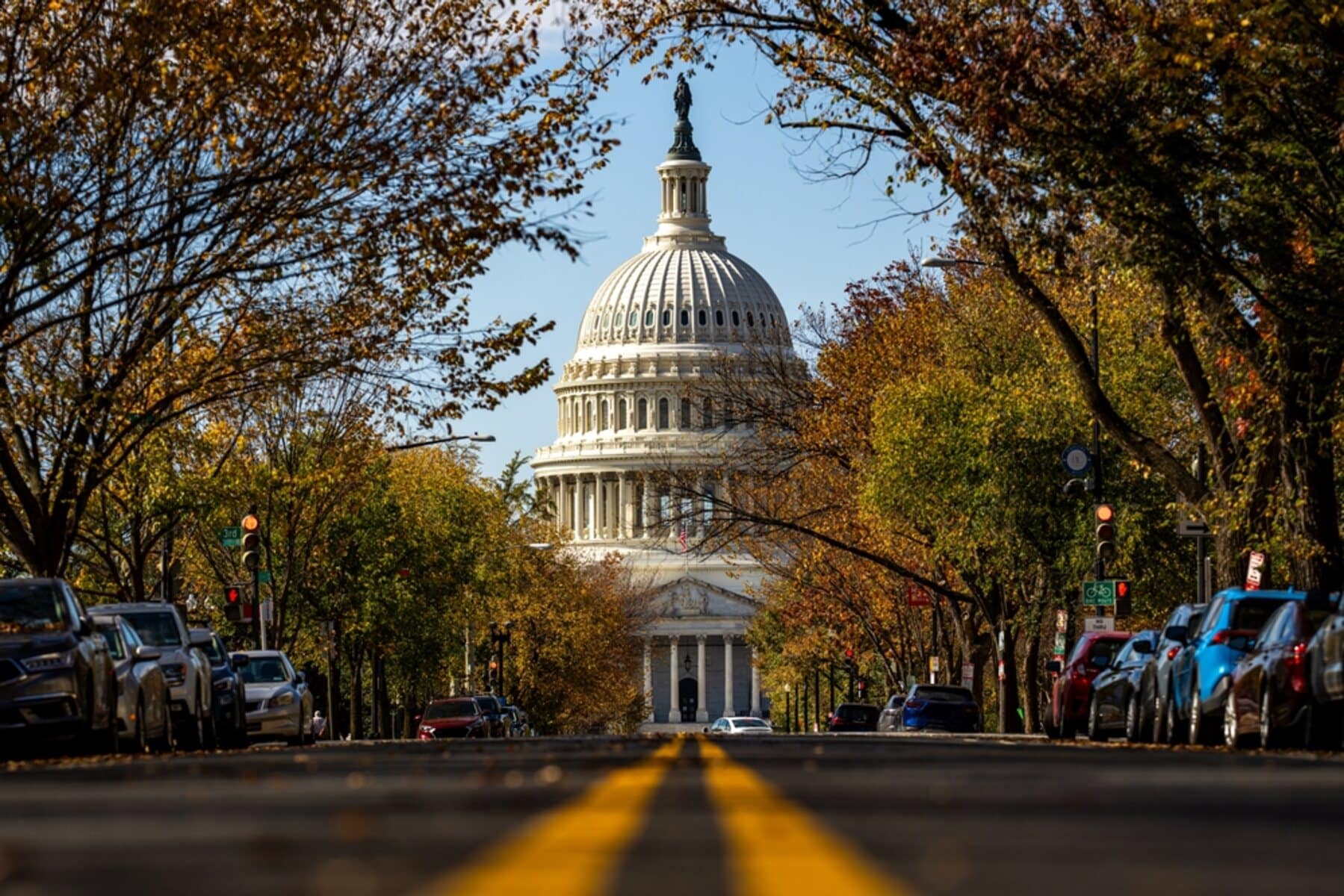
Away from the Capitol itself, the neighborhood becomes unexpectedly quiet and residential.
Tree-lined streets stretch past historic rowhomes. You’ll see neighbors chatting outside corner markets, and small cafés fill with people reading or working late into the afternoon.
Near Eastern Market, Capitol Hill feels especially local—less performative, more lived-in. Weekend produce stands spill onto sidewalks, coffee cups linger on patio tables, and the neighborhood settles into an easy rhythm that invites you to slow down too.
Evening: Sunset Back in Rosslyn
End the trip back in:
- Rosslyn
As evening falls, the skyline begins to glow across the river. From certain viewpoints in Rosslyn, the monuments appear almost suspended above the city lights.
It’s one of the most underrated views in the region—and a fitting reminder that some of DC’s best moments happen far from the crowds gathered around the National Mall.
Where to Stay: Arlington as Your Home Base
For travelers exploring DC by Metro, Arlington offers an ideal balance: close to the city, connected by transit, but noticeably calmer once the day winds down.
With 16 Sonesta Hotels properties across Arlington, visitors can choose from a range of accommodations while staying conveniently near Metro and Metrobus routes.
Staying in Arlington means:
- easy access to multiple Metro lines
- quick connections into DC neighborhoods
- walkable streets and quieter evenings
- convenient access to Reagan National Airport
Sonesta Select Arlington Rosslyn is also the only hotel offering the exclusive “Stay Three, Ride Free” America 250 package, valid through September 2026. Located just steps from Rosslyn Metro Station, it’s especially convenient for travelers planning a transit-first visit focused on exploring the city like a local.
For travelers who prefer staying directly in the city, The Royal Sonesta Washington DC Dupont Circle places guests within walking distance of one of DC’s most vibrant neighborhood hubs, while The Royal Sonesta Washington DC Capitol Hill offers easy access to Capitol Hill, Union Market, and several Metro lines featured throughout this itinerary.
Other Sonesta hotels throughout Arlington and Washington, DC may also feature seasonal packages and special offers, so it’s worth checking the Sonesta website before booking.
A Few Local Transit & City Tips
Washington is generally easy to navigate by Metro and bus, especially during the day and early evening. Like any major city, a little awareness goes a long way—stick to well-lit streets at night, keep valuables secure, and use public transit when covering longer distances after dark.
Neighborhoods like Georgetown, Capitol Hill, Rosslyn, and The Wharf are especially comfortable for wandering, while busier nightlife areas like Adams Morgan, U Street, and H Street simply benefit from the same common-sense awareness locals use every day.
And perhaps the most important Metro rule of all: stand right, walk left on the escalators.
Final Thoughts
Washington reveals itself slowly.
Not through rushed monument photos or packed sightseeing schedules, but through neighborhood cafés, conversations overheard on the train, bookstore discoveries, and streets you only find because you decided to keep walking a little farther.
The city feels different when experienced this way—more personal, more textured, more surprising.
With three days, a Metro pass, and a home base in Arlington, you can experience a version of DC that many visitors miss entirely.
One stop at a time.
Disclaimer: The suggested itinerary and points of interest are provided for informational and planning purposes only. Guests are encouraged to independently verify opening hours, availability, travel times, and any potential changes prior to visiting. The inclusion of any businesses, attractions, or destinations does not imply affiliation with or endorsement by Sonesta or its affiliates. Sonesta makes no representations or warranties regarding the accuracy or completeness of the information provided and assumes no responsibility for any inconvenience or loss arising from the use of this information.