Winter in Arizona calls you out into the light. The air is dry and open, touched with sage. The mountains take on a deep rust at sunset, and even the long quiet roads seem alive, humming with heat left over from the day.
For travelers who prefer light to snow, this is the place to start. The highways stretch wide between desert towns and red cliffs. The colors change as you drive. In the morning, sand and gold. By afternoon, soft grey rock. At night, the sky turns so clear you can see forever.
At Sonesta, we’ve followed these routes ourselves, from Phoenix’s open plains to Sedona’s red walls, then north into the pines near Flagstaff and south again toward Tucson’s slow desert air. Every stop feels different. Every turn opens a new kind of quiet.
Locals will tell you this is when Arizona shows its best side. The days are cool enough to walk for hours. The nights stay warm enough to linger outside. Travelers can stretch their stay without stretching their budget. You might find yourself at a trailhead at dawn and somewhere still and starlit by evening.
Pack light. Leave your car windows open. Let the miles unfold at their own pace. The light on the road will do the rest. The warm road awaits.
🔔 Discover Arizona with Sonesta Hotels
Where the Journey Begins: Phoenix & Scottsdale
The first light in Phoenix feels like a promise. The air carries just enough heat to make you forget it’s winter at all. Before breakfast, joggers are already out. Coffee cups steam on shaded patios. The city moves at a pace that feels unhurried, as if it knows there’s no need to rush.
Locals say this is the time to set out. Mornings hover in the mid-60s, the sky stays clear, and the harsh edge of summer has disappeared. It’s weather that makes you want to walk. Papago Park opens wide to anyone with an hour to spare.
The trail up Hole-in-the-Rock gives you a view of the whole valley. At the Desert Botanical Garden, sunlight catches on spines and petals until everything seems to glow.
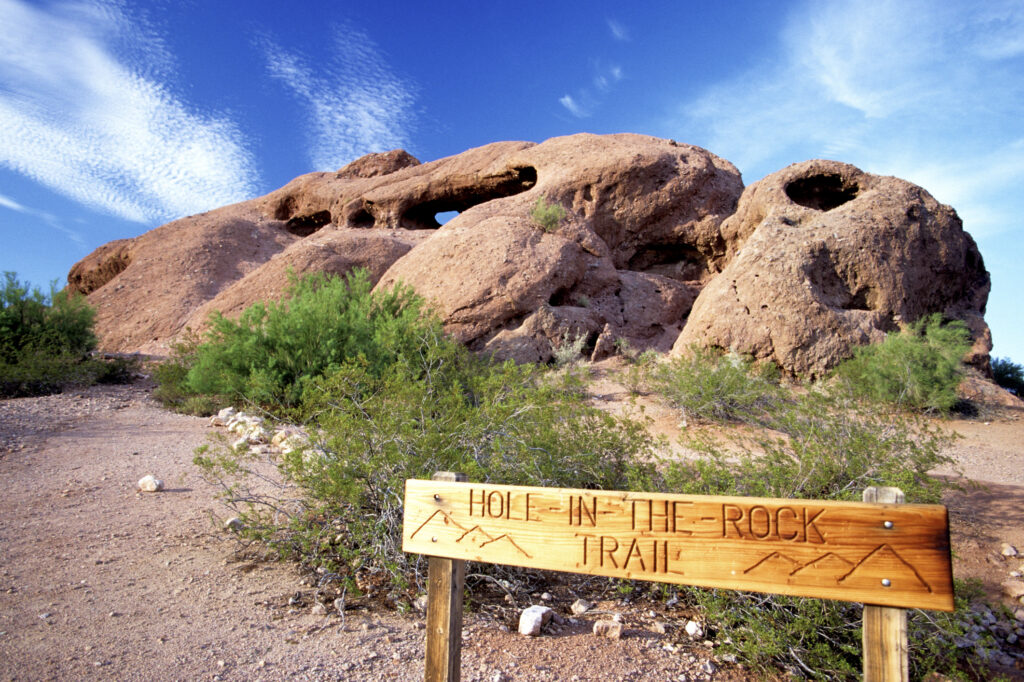
Hole-in-the-rock-trail at Papago Park
When you’re ready for noise again, head downtown. Roosevelt Row stretches for blocks with murals, food stalls, and outdoor cafés where even a quick coffee feels like part of the day’s rhythm.
Travel here doesn’t need much planning. The best views are free: Camelback, South Mountain, and the canal paths at dusk.
When the air cools, slow down. At Sonesta Simply Suites Phoenix Scottsdale, the desert light softens through the windows, and the courtyard fire pits draw people into quiet conversation. It’s the right kind of ending for a day in Phoenix: easy, warm, and open to tomorrow.
🔔 Find Sonesta Hotels in Phoenix
The Red Rock Heart: Sedona and the Verde Valley
The first glimpse of Sedona feels almost unreal. The red cliffs catch the sun and seem to glow from within, rising against a winter sky so clear it looks carved from glass. The air smells faintly of pine. The coolness sharpens the senses and makes every step feel easy. This is where the desert turns sacred.
Locals say that winter is when Sedona breathes again. The trails quiet. The light slows down. Colors deepen until the rocks look painted by hand.
It is the season for walking without rush, for climbing partway up Cathedral Rock and stopping just to watch the light move. By afternoon the edges soften, and even a short path can feel endless.
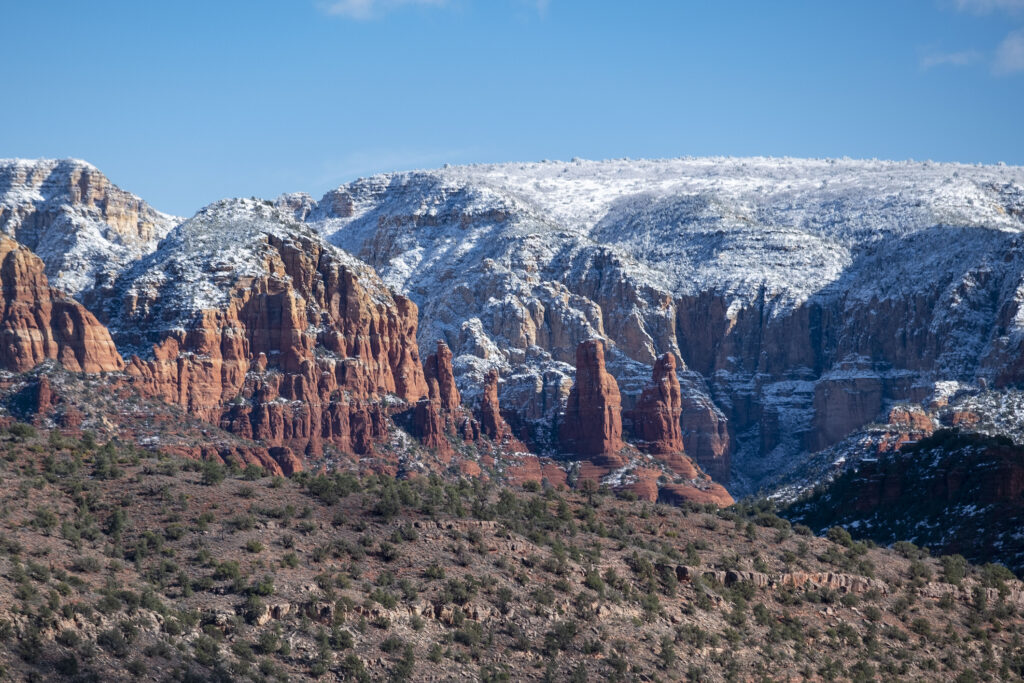
Sedona red rocks viewed from a cave
You do not need much to feel the pull of this place. The grandest views are free. In the courtyards of Tlaquepaque, art hangs from stone walls and music drifts through the cool air.
If time allows, drive south to Cottonwood for a tasting among the vineyards or turn west to Jerome, a hillside town full of stories and old miners’ houses that lean toward the valley. Each small town holds a slower rhythm, another way to let the day stretch out.
As night settles, many travelers keep north to Flagstaff. The pines gather close around the roads, and the air grows thin and cold. It feels like a pause within the journey, a quiet space after a day spent chasing light.
A Breath of Winter: Flagstaff and the High Country
As the road climbs, the color drains from the cliffs and gathers in the trees. Red turns to pine green, then to white. The air grows colder, carrying the faint scent of woodsmoke. Winter feels different here, quiet and still, the kind that slows your pulse.
Flagstaff sits in that calm. The town feels like a pause between places, somewhere to rest before the next stretch of road.
Downtown, brick buildings glow under strings of light. You can drift between bookshops and cafés without ever thinking about the time. A mug of cocoa at Macy’s, a walk through Heritage Square at dusk are small moments that feel like their own kind of ritual.
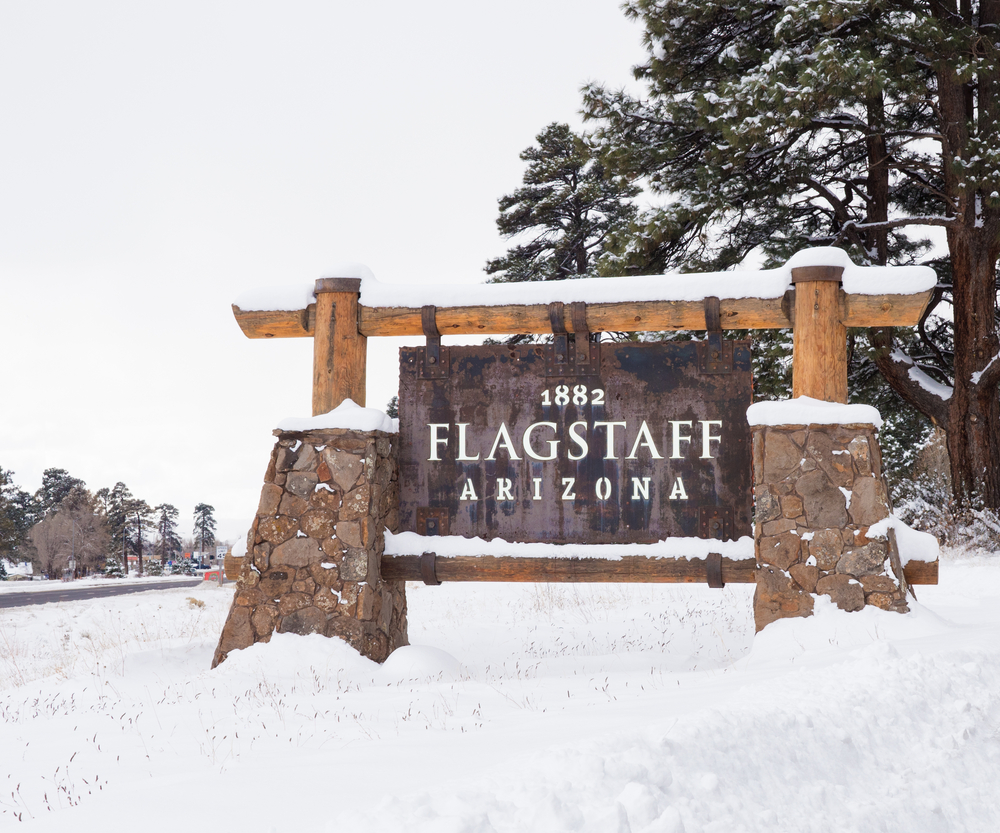
Flagstaff, Arizona in winter
Farther up, the slopes open to snow and long horizons. At Snowbowl, you can see all the way to the Grand Canyon. Locals say the best hour is just before sunset, when the light slides over the peaks and the forest grows still.
Evenings in town stay simple. Dinner in a small brewery, a bit of laughter in the cold air, that quiet satisfaction of finding winter without the dark weight of it. At Sonesta ES Suites Flagstaff, warmth feels close at hand in the form of the comfort of a bed that waits.
🔔 Find Sonesta Hotels in Flagstaff
The Golden Goodbye: Tucson and Saguaro Country
The road south opens into wide desert. The sky stretches without edge, and the light follows slowly behind.
Tucson feels like the sun’s final word, full of warmth and space. The air carries a hint of mesquite and orange blossom. Saguaros rise from the sand like patient guardians, quiet and enduring.
Morning in Saguaro National Park feels timeless. The trails curve through cactus forests that have watched centuries pass. With each step, the light changes and deepens until the rocks glow with color.
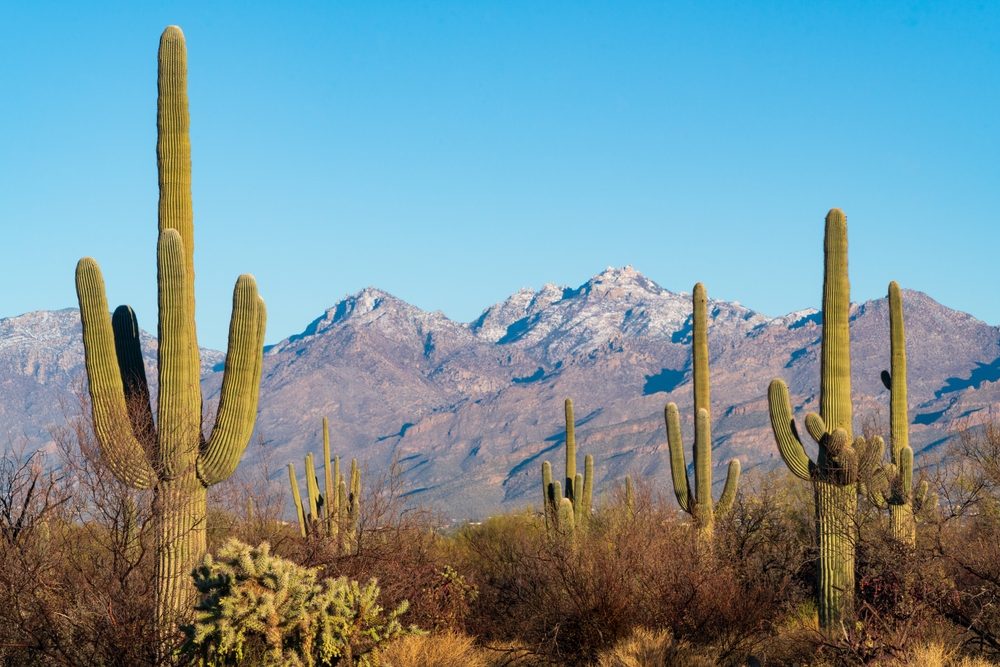
Saguaro National Park near Tucson
In town, Barrio Viejo waits in its calm colors. Adobe walls hold the sun, and vines reach across wooden gates.
Later, the markets begin to stir. You can hear a guitar from somewhere nearby. The scent of roasted peppers drifts past. Voices rise and fade as people move between the stalls.
At Gates Pass, the light slows to a pause. Locals say this is the hour that belongs to the desert alone. The hills turn gold, and the sky cools at the edges.
When the day ends, rest at Sonesta ES Suites Tucson. The rooms stay cool and quiet. The pool reflects the last of the daylight. The air outside carries the kind of stillness that makes you linger before heading home.
🔔 Find Sonesta Hotels in Tucson
Wrapping up the Journey
Every road feels different, every Sonesta stop familiar in its welcome. From Sedona’s red cliffs to Flagstaff’s snowy peaks and Tucson’s quiet light, the journey moves like changing weather. Each place carries its own rhythm. Each rest stop reminds you why travel restores more than it takes.
Practical Tips & Trick
The beauty here is mostly free. It’s in a walk through the desert or the color of the sky. We’ve gathered a few notes to make the road a little easier and the memories a little warmer.
1. Best Time to Go
Late November through March is ideal for exploring Arizona’s desert landscapes. Expect sunny, mild days with temperatures ranging from the 60s to low 70s, and cooler evenings that are perfect for stargazing.
With fewer crowds than peak summer months, winter offers the perfect mix of open trails, peaceful drives, and calm small towns waiting to be discovered.
Whether you’re hiking through Saguaro National Park, strolling Sedona’s red rock vistas, or catching golden hour at the Grand Canyon, this is the season when the desert truly shines.
2. What to Pack
Arizona’s winter desert climate is full of contrasts, so layering is key.
Here’s what we recommend:
- Light jacket or fleece for cooler mornings and evenings
- Breathable shirts and hiking pants for daytime adventures
- Sunscreen, sunglasses, and a wide-brim hat because even in winter, the sun is strong
- Comfortable walking shoes or hiking boots for desert trails and charming small-town streets
- Refillable water bottle because hydration is important year-round
- Portable charger for phones or cameras – trusts us, you’ll want to capture every view
Pro tip from our front desk team: many Sonesta hotels in Arizona offer complimentary water stations and local maps, so swing by the lobby before heading out for the day.
3. Trip Length & Planning Tips
Most guests find that a 5–7 day road trip allows for a well-paced adventure through key destinations like Phoenix, Sedona, Tucson, and the Grand Canyon.
Travel times between cities average 2 to 4 hours, making it easy to settle into a rhythm of scenic drives and spontaneous stops.
If you’re traveling with family, plan for breaks at kid-friendly landmarks like the Arizona-Sonora Desert Museum, Bearizona Wildlife Park, or even local gem mining activities.
Many Sonesta hotels offer suites with kitchenettes, outdoor pools, and family-friendly amenities to make traveling with little ones easy and enjoyable.
4. Budget Tips
Winter is a smart time to explore the Southwest on a budget, especially if you travel midweek.
You’ll often find:
- Lower hotel rates
- Less crowded trails and attractions
- More flexible last-minute availability
Need help planning routes or restaurant recommendations? Our local Sonesta staff are always happy to share tips.
5. Booking Tip
Book directly through Sonesta to unlock Travel Pass perks like points toward future stays, exclusive wellness offers, and benefits that apply across Sonesta properties worldwide.
Disclaimer: The suggested itinerary and points of interest are provided for informational and planning purposes only. Guests are encouraged to independently verify opening hours, availability, travel times, and any potential changes prior to visiting. The inclusion of any businesses, attractions, or destinations does not imply affiliation with or endorsement by Sonesta or its affiliates. Sonesta makes no representations or warranties regarding the accuracy or completeness of the information provided and assumes no responsibility for any inconvenience or loss arising from the use of this information.