“Budget hotel” no longer describes a single type of property. In 2026, the term covers three distinct operating models, where each one includes different amenities, makes different trade-offs, and serves a different type of traveler.
The economy hotel segment reported a 1.8% decline in revenue per available room in 2025 while higher-end hotels held steady.¹ Properties responded differently to that pressure. Some reduced services to protect the nightly rate. Others compressed room footprints to fund better finishes. Some held their standard inclusions.
The result is that a $60 room at one property and a $60 room at another no longer offer value that is directly comparable.
How the Budget Hotel Segment Changed
The budget hotel segment entered 2025 under sustained margin pressure that had been building since 2022. Post-pandemic labor costs rose sharply and have not returned to pre-2020 levels.
Utility costs and insurance premiums followed the same trajectory. For economy properties operating on thin margins, the compounding effect became difficult to absorb without making cuts somewhere.
Properties that had historically bundled breakfast, daily housekeeping, and towel changes into the base rate began treating those inclusions as optional or eliminating them entirely.
The shift was subtle and gradual, so most travelers might not have noticed that a property’s amenity list from 2022 may no longer reflect what is currently included.
Recent guest reviews are a more reliable source than the property description, and confirming inclusions directly with the property before booking is more reliable than either.
The 3 Types of Budget Hotels in 2026
Budget hotels in 2026 fall into three distinct categories, each built around a different set of trade-offs that determine what you get for the rate.
Knowing which model you are looking at before you book your stay is the only way to avoid a stay that doesn’t match your expectations.
1. The Stripped-Down Rate
The stripped-down rate tier trades room size and services for the lowest possible nightly cost, and it is best suited for travelers whose stay is purely transactional: arrive, sleep, leave.
Pod concepts, capsule hotels, and automated micro-room properties define this category. Rooms typically run under 12 square meters, and housekeeping is an add-on, not a standard inclusion. Front desks are replaced by kiosks, mobile check-in, and QR codes.
Fully automated properties are not set up to handle exceptions. Confirm, staffing before arrival if there is any chance you will need assistance.
2. The Select-Service Hybrid
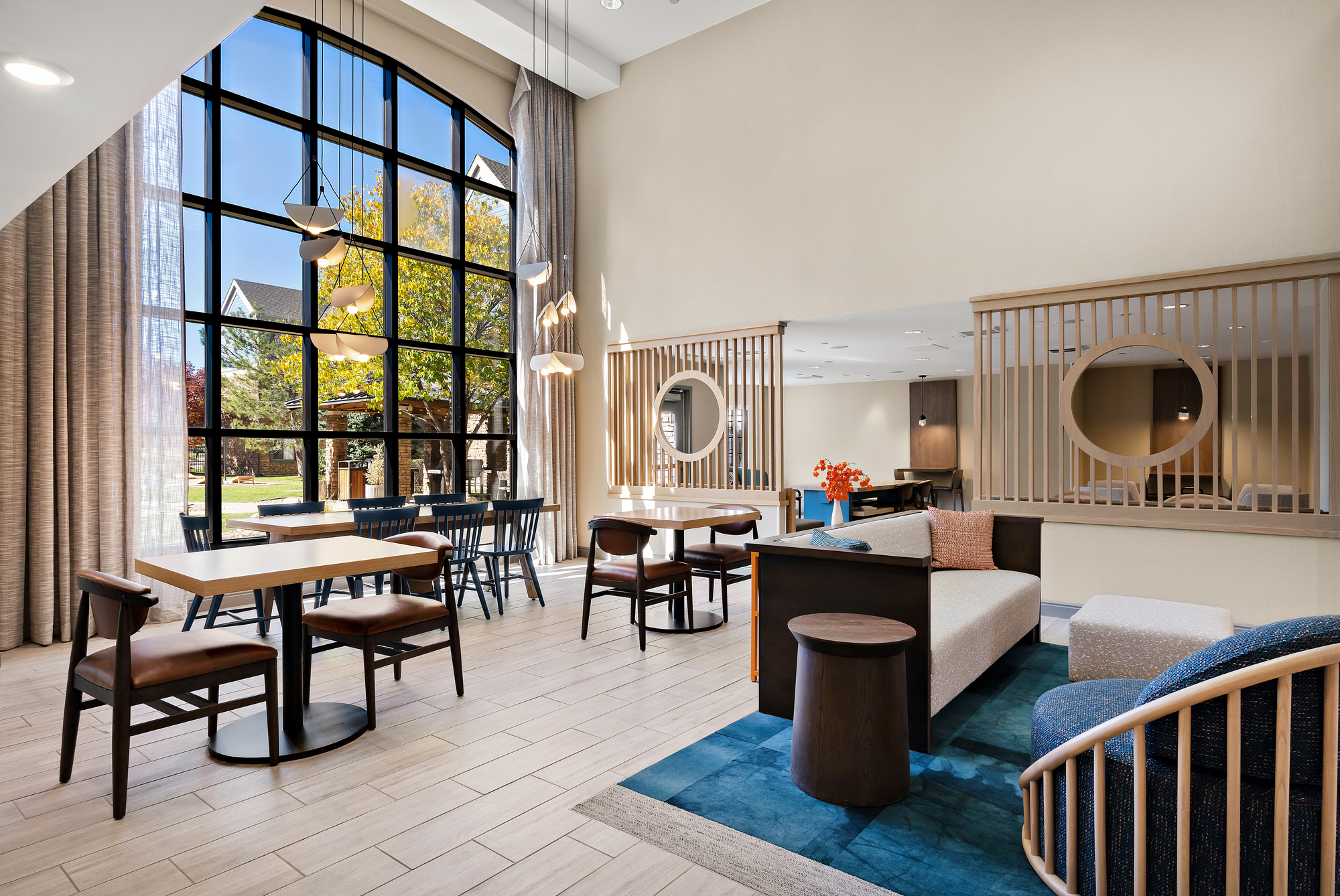
Select-service budget hotels offer premium finishes in small rooms offset by large communal spaces, and they are built for travelers who spend more time out of the room than in it. Rooms prioritize sleep quality and in-shower experience over square footage, and the lobby is designed to work as a social hub and workspace.
The trade-off is square footage. Private space is deliberately smaller to keep the rate down while shared areas carry the hotel experience.
According to SiteMinder, 58% of global travelers in 2026 paid more for a stay specifically to get one better amenity, whether that was a better bed, a faster shower, or a nicer common area.
The result is a tier that delivers a strong core experience at a compressed room size.
3. The Classic Economy Model
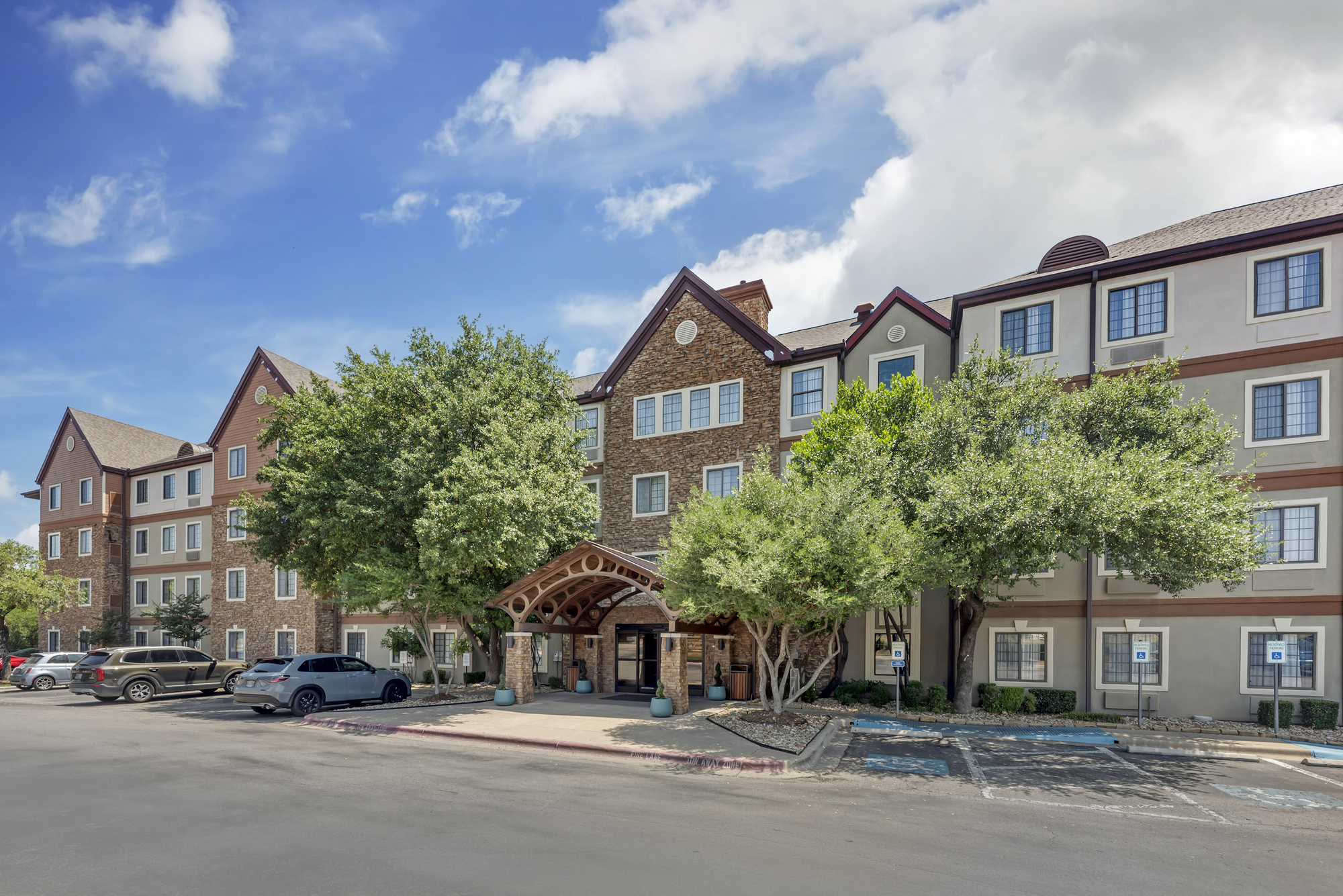
The classic economy model is the segment under the most operational pressure in 2026, and if you are booking based on what this tier offered three years ago, inclusions at this tier vary more than they once did.
Rising wages, utility costs, and insurance have squeezed margins across the segment. Properties have responded by cutting what travelers used to take for granted. Inclusions now vary by property. Some have maintained their standard offering. Others have reduced breakfast, moved housekeeping to on-request, or changed towel service policies.
The result is a tier where two properties at the same price point can deliver meaningfully different stays.
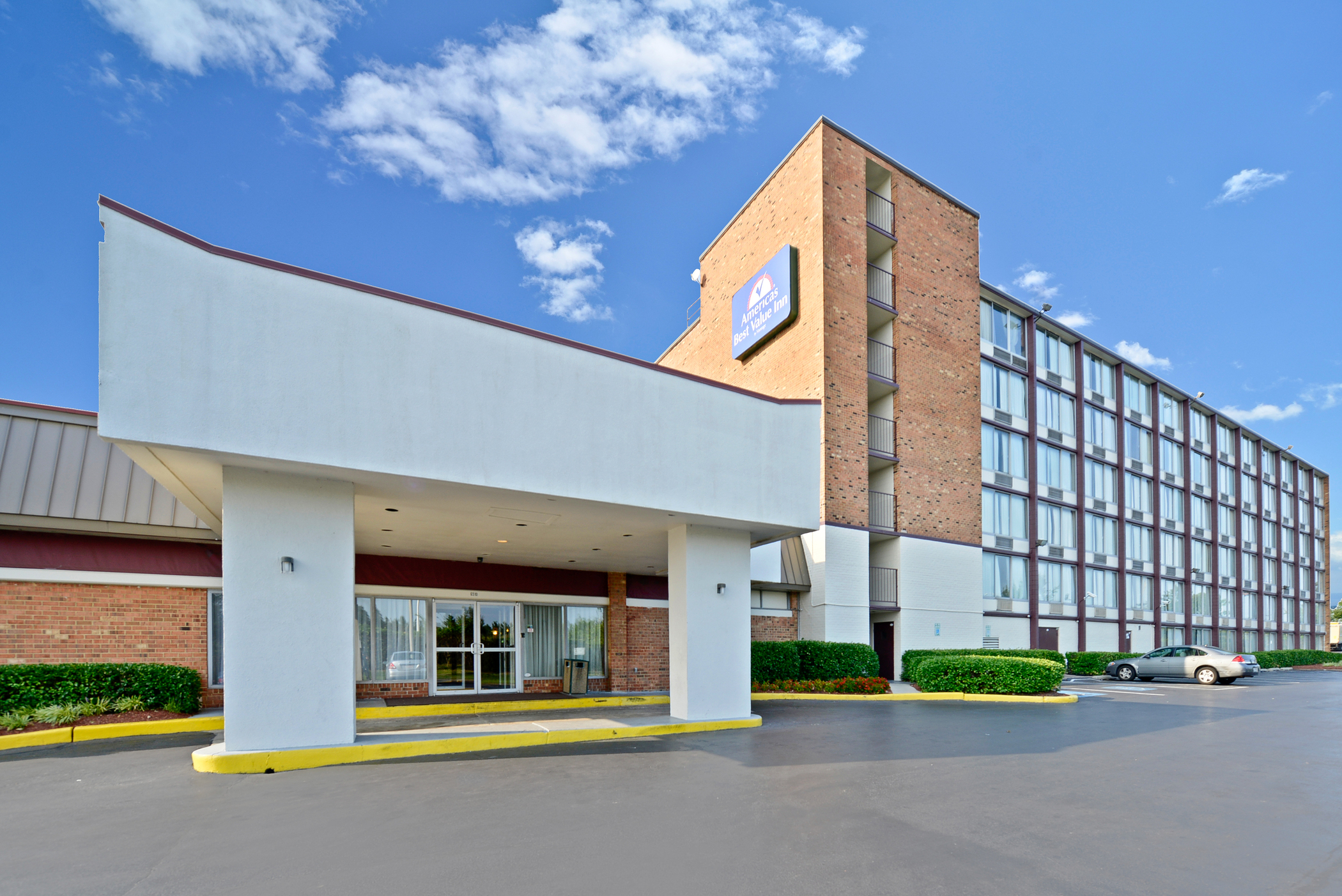
Sonesta’s Americas Best Value Inn and Signature Inn are two brands in this tier that have held their standard inclusions.
“ABVI is meant to be a simple stay focused on value and comfort, so our standards have remained consistent over the years to provide that experience every time a guest checks in,” says Kevin Scholl, Director of Marketing at Americas Best Value Inn.
For travelers who need the classic economy model to deliver what it historically promised, both brands represent the tier operating as intended.
| Tier | What’s Included | Best For |
|---|---|---|
| Stripped-down rate | Bed, shower, basic Wi-Fi, no on-site staff | Travelers who sleep, shower, and leave |
| Select-service hybrid | Premium finishes, communal spaces, compressed rooms | Solo travelers, short stays, younger demographics |
| Classic economy model | Standard rooms, basic amenities, variable inclusions | Travelers who need space, consistency, and human access |
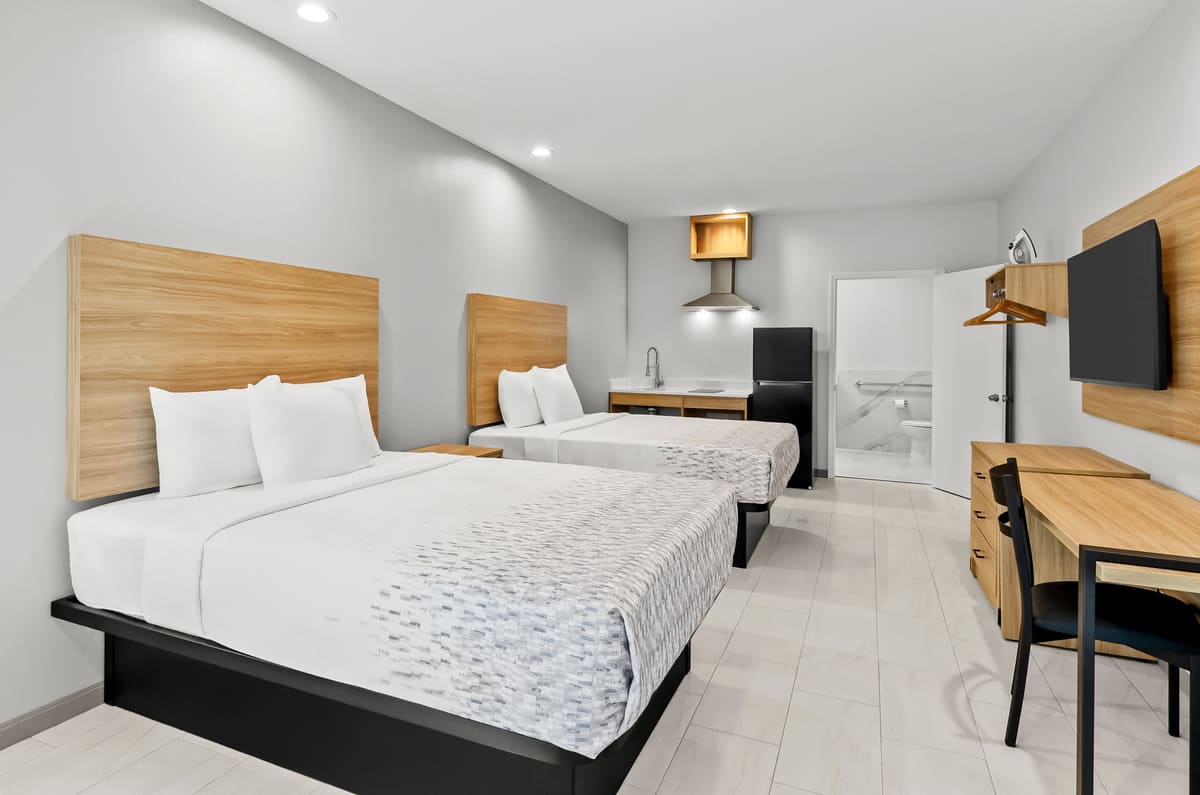
Guestroom at Americas Best Value Inn & Suites Tomball Grand Parkway
What You Are Trading When You Book Budget
Budget hotel guests consistently trade one of three things: space, on-site staff, or location, for a lower nightly rate.
Understanding which trade-off a specific property is asking you to make is the most useful thing you can do before confirming a reservation.
a. Space for Price
Micro-rooms are a real product category in 2026.
Travelers on a two-night stopover who sleep, shower, and leave will not feel the difference between 12 square meters and 25, but travelers who need to unpack, work from the room, or spend extended time in the space will.
The calculation depends entirely on how you use the room, not on the rate.
b. On-Site Staff for Automation
Fully automated properties are not set up to handle exceptions.
If there is any chance you might need staff assistance during your stay, confirm that a staffed front desk exists before you book your stay.
c. Location for Rate
A property priced $30 lower per night than its competitors does not always represent a net saving.
In cities where transportation costs are elevated, a hotel far from where you are actually going can cost more in daily transit than it saves in nightly rate.
A $30 nightly saving offset by $40 in daily transit is a $10 per night loss. Calculate the full cost of the location before treating rate as the deciding factor.
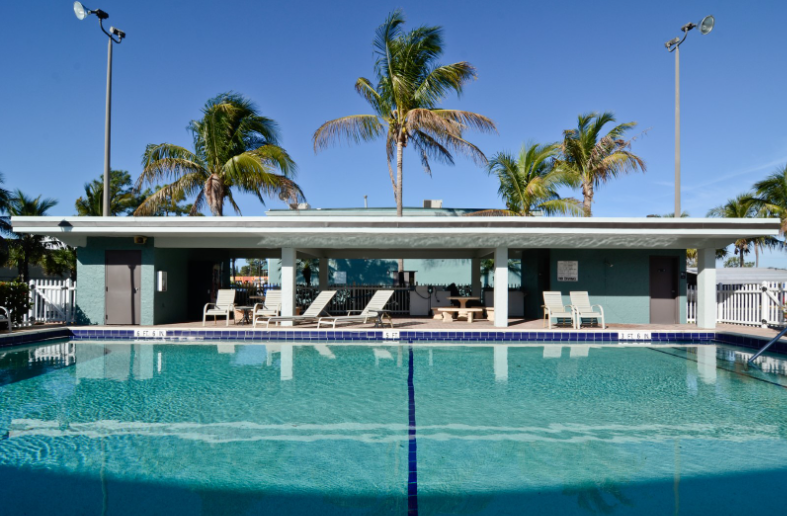
Outdoor swimming pool at Americas Best Value Inn Ft. Myers
5 Things to Check Before You Book a Budget Hotel
These five checks prevent the most common budget hotel booking mistakes, and each can be confirmed in a few minutes before booking.
1. Recent Reviews, Not Average Scores
Filter for reviews from the last six months.
Read specifically for mentions of what has been cut: breakfast, housekeeping, towel service, and whether the final bill matched the advertised rate.
For a full breakdown of how review patterns in this category work and what to look for beyond the score see our guide to budget hotel reviews.
🧳Next Chapter: 4 Reasons Why Budget Hotels Get Low Reviews
2. What the Base Rate Includes
Breakfast, parking, and even Wi-Fi are the three inclusions most likely to disappear at budget properties under margin pressure. Check whether each one is bundled at the rate or billed separately.
Check housekeeping frequency too. To check housekeeping frequency, we recommend visiting the hotel website, since booking pages do not always reflect recent policy changes.
3. Does the Room Have a Workspace
Many budget properties have removed desks to reduce room footprints. If you need to work from the room, confirm a desk exists before you book.
4. How Check-In Works and Who Is On-Site
Confirm whether check-in is staffed or automated before you arrive.
A kiosk cannot resolve a booking error or handle a noise complaint at midnight.
At Americas Best Value Inn, the check-in interaction is deliberate. “As a value brand we don’t have many moments of guest interaction, mostly check-in and check-out, but we make sure they count,” says Ivonne Magues, Field Marketing Manager.
5. The Real Cost of the Location
Calculate the daily transit cost from the property to wherever you are actually going. The nightly rate on the booking page does not include that number.
One misconception the brand hears often: that value means a lesser experience. “Value does not equal cheap,” says Kevin Scholl, Director of Marketing at Americas Best Value Inn. “Getting value for your money does not mean having a lesser experience when it comes to the core of your hotel stay.”
Frequently Asked Questions
The following covers the questions travelers most commonly bring to a budget hotel booking, particularly around what the category includes, how it compares to mid-scale options, and what the difference between budget and economy means in practice.
1. What does a budget hotel include?
A budget hotel includes a private room, a private bathroom, and basic Wi-Fi. Beyond those three amenities, inclusions vary significantly by property and operating model.
Breakfast, parking, daily housekeeping, and a staffed front desk are standard at some properties and absent at others. Guests should confirm the inclusion list before booking as sets of amenities vary among properties.
2. Are budget hotels safe?
Budget hotels meet the same basic safety standards as other hotel categories, including fire codes, building inspections, and standard security requirements. Safety at a specific property is better evaluated through recent guest reviews than through price tier.
3. What is the difference between economy and budget hotels?
Economy and budget hotels are often used interchangeably, but they describe different price tiers in industry classification.
Budget typically refers to the lowest price band, covering stripped-down rate properties, select-service hybrids, and classic economy models.
Economy is a specific segment classification used by industry analysts and brands, sitting just above the budget floor. In practice, checking inclusion lists matters more than the label a property uses.
4. Is it worth paying more for a mid-scale hotel?
The value of a mid-scale upgrade depends entirely on which inclusions a specific trip requires.
Travelers who need a desk, daily housekeeping, and a staffed front desk available around the clock will find the step up justifies the cost.
Travelers on a short stay who sleep, shower, and leave will not. The relevant question is which inclusions a specific trip requires.
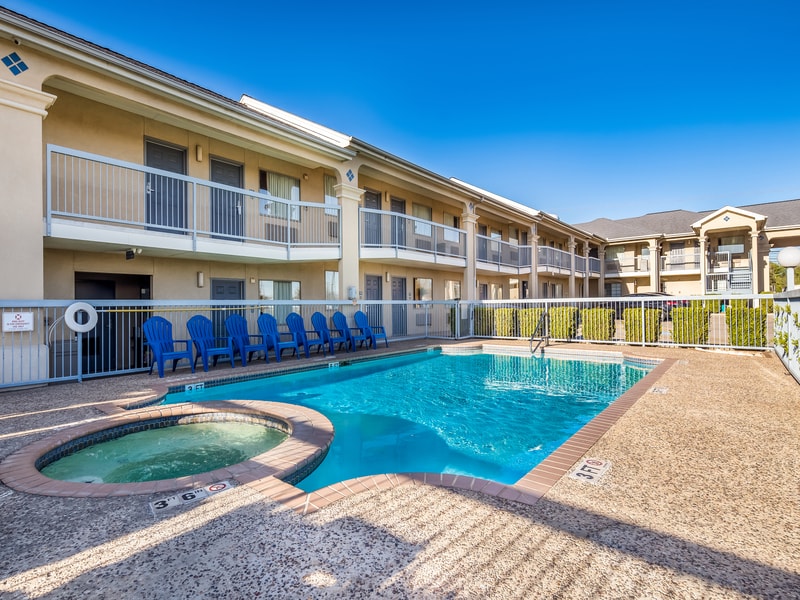
Americas Best Value Inn New Braunfels San Antonio
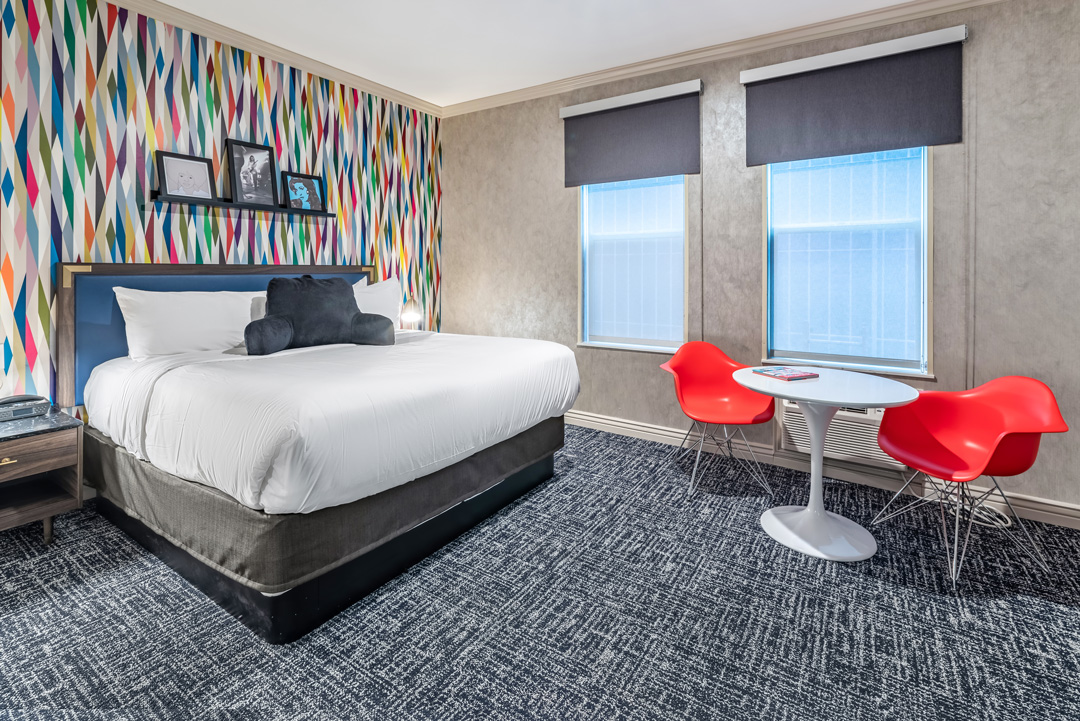
Signature Inn San Francisco
The Classic Economy Model, Done Right
The classic economy model is under pressure in 2026, but not every property has responded the same way. Sonesta’s Americas Best Value Inn and Signature Inn are two brands that have held their standard inclusions.
Both brands include Wi-Fi and a staffed 24/7 front desk as standard. Americas Best Value Inn properties also include flat-screen TVs with HBO, branded bath amenities, and a quality towels and bedding program — the core of what the classic economy model has historically promised.
For a traveler who needs the basics to work and wants to know exactly what they are paying before they arrive, that consistency is the point.
Both brands participate in Sonesta Travel Pass, a free loyalty program that gives members access to reduced nightly rates across the full Sonesta portfolio. Members earn points on qualifying room revenue that accumulate toward free nights on future stays. Sign up at sonesta.com before booking to access member rates from the first night.
To find ABVI and Signature Inn locations, book direct at sonesta.com or call 1.800.Sonesta.
References
¹ STR via Hotel & Leisure Advisors
Disclaimer: The suggested itinerary and points of interest are provided for informational and planning purposes only. Guests are encouraged to independently verify opening hours, availability, travel times, and any potential changes prior to visiting. The inclusion of any businesses, attractions, or destinations does not imply affiliation with or endorsement by Sonesta or its affiliates. Sonesta makes no representations or warranties regarding the accuracy or completeness of the information provided and assumes no responsibility for any inconvenience or loss arising from the use of this information.