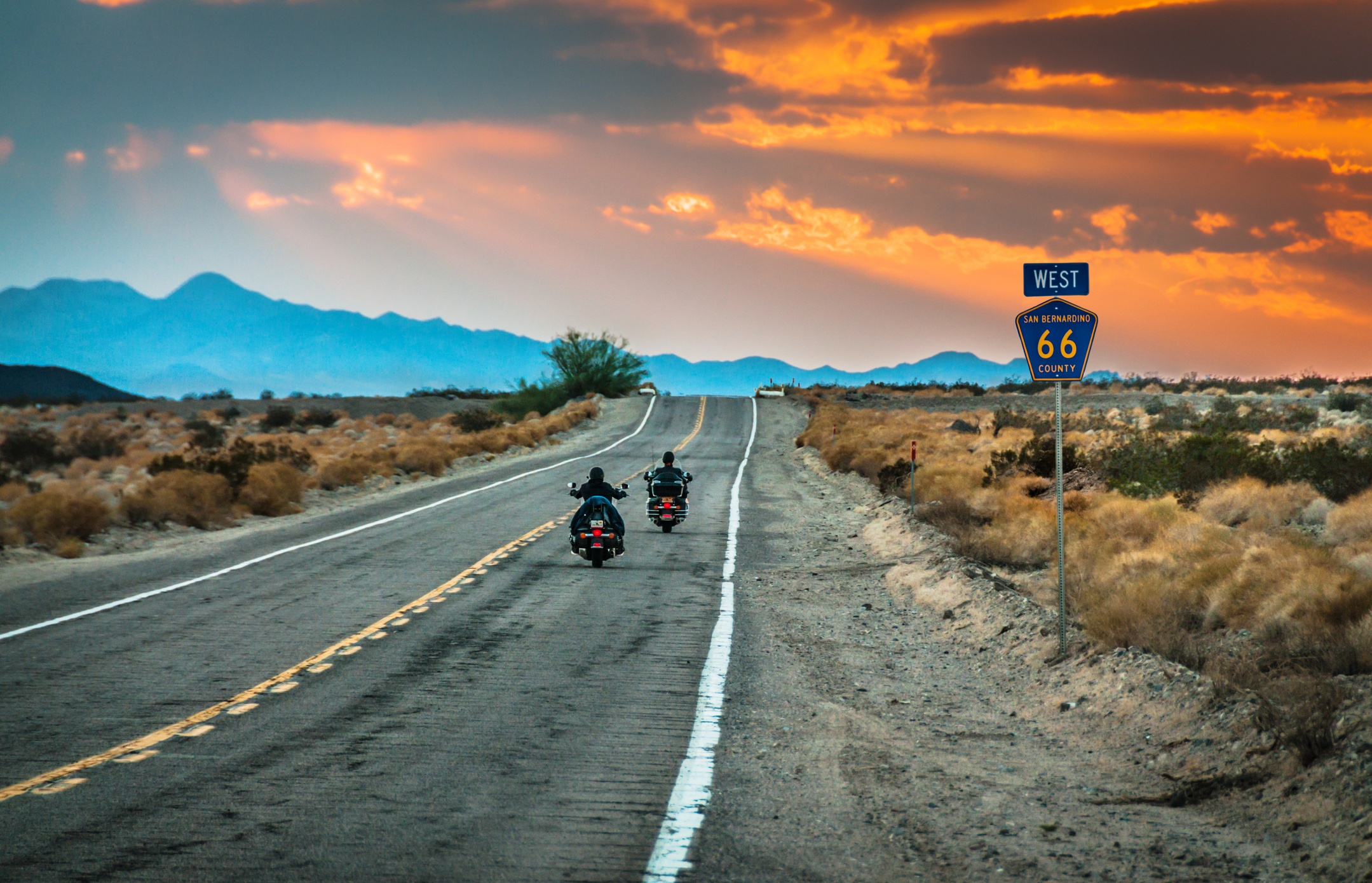
If you are planning a road trip this summer, you are probably already thinking about costs, but the ones that will do the most damage to your budget are not the ones getting the most attention.
According to decades of research from the U.S. Bureau of Labor Statistics, gas, lodging, and food together account for 75% to 80% of what a U.S. road trip costs. Entertainment, the thing most road-trippers cut first when they are trying to save money, represents just 9% of the total budget.
Cutting the fun stuff barely moves the needle, but planning gas, lodging, and food smartly is how you take the most out of your road trip budget.
We put this guide together to give you an actual, numbers-backed plan for all three with real gas price data from AAA Fuel Prices, actual nightly rates from Sonesta value properties, and current national dining averages.
Quick Facts
A U.S. road trip in 2026 runs on three costs: gas, lodging, and food, which together account for 75% to 80% of a domestic travel budget according to the U.S. Bureau of Labor Statistics.
Gas prices hit $4.56 per gallon in May 2026, up 43% from the same period last year, but lodging is the single largest controllable cost, with a gap of up to $1,000 per week between economy and mid–scale options.
A smart lodging choice that includes free parking, complimentary breakfast, and an in–room kitchen can offset most of the year–over–year gas price increase before the trip even starts.
A 7–day regional trip runs approximately $1,100, a 14–day cross-country drive runs approximately $2,200, and a 30–day slow travel trip runs approximately $3,950, all based on May 2026 pricing at Sonesta ABVI and Signature Inn properties.
The Total Daily Tab
To budget a 2026 U.S. road trip, look past individual price tags and track one number: your Total Daily Tab, which represents the combined daily cost of gas, food, and lodging.
Here is how those three costs break down as a share of the total road trip budget according to the U.S. Bureau of Labor Statistics:
| Part of the Budget | Part of Road Trip Budget | The Opportunity |
| Lodging | 35% to 40% | The highest-leverage category. The right property choice can save you up to $1,000 per week. |
| Food and Drinks | 20% to 25% | Eating out three times a day adds up fast and is one of the easiest costs to bring down. |
| Gas and Transit | 15% to 20% | Non-negotiable at the pump, but manageable with route planning and smart driving habits. |
Below we broke down each category using 2026 pricing and to show you exactly where you can save.

Use GasBuddy app before every exit to find the cheapest gas station nearby.
Gas in 2026: Here’s What You’re Actually Spending
Gas prices hit $4.56 per gallon in May 2026, according to AAA Fuel Prices, a 43% spike from the same period last year.
Drive 3,000 miles in a vehicle that gets 25 MPG and you will go through roughly 120 gallons of fuel. At current prices, that is $547.20 in gas, about $165 more than the same trip cost a year ago. The longer the trip, the more that gap compounds.
Fuel costs can vary by as much as $0.20 to $0.40 per gallon just between competing stations on opposite sides of a highway intersection.
Use crowd–sourced apps like GasBuddy before pulling off the exit ramp to spot the cheapest fuel layout near you, rather than pulling into the first visible station.
Route choice makes a real difference too. If your route runs through California or Washington, expect to pay $5.50 or more per gallon right now. Check regional prices before you finalize the route.
The Fuel Rebate
There is one driving habit that will put money back in your pocket on every tank.
Slowing down from 70 MPH to 55 or 60 saves roughly 15% on fuel consumption. On a 3,000-mile trip, that is about $80 back in your budget without changing a single thing about the route.
Gas is the one cost on a road trip you cannot fully control, but lodging is the one you can, and that is where the real savings are.

Guestroom at Signature Inn Berkeley Oakland
Where You Sleep: The Biggest Lever in Your Budget
Lodging accounts for 35% to 40% of a typical U.S. road trip budget, making it the largest cost you can control of the entire trip. It is also the category where a single booking decision can save you hundreds of dollars before you have driven a single mile.
To make the lodging math as useful as possible, we are using real 2026 base rates from our own portfolio of hotel brands. Sonesta properties cover the full range of lodging options, from premium to value, which allows us to illustrate what travelers are paying across different budgets.
A week at a premium hotel runs roughly $1,550 at current rates. A week at Sonesta’s Americas Best Value Inn comes in at $350 to $595. That gap alone covers most of the fuel for a 3,000-mile cross-country drive.
The Free Parking Dividend
City parking averages $27 to $45 per night in destinations like Nashville and Denver. Over a week that is $189 to $315 added to your trip cost before you have spent a dollar on food, activities, or anything else.
At Sonesta ABVI and Signature Inn properties, parking is mostly free. On a 7-night stay, that saving alone will cover you nearly 70 gallons of gas at current prices.
The Case for Branded Consistency
Saving $10 a night by booking an unverified independent motel sounds like a good call on a booking platform. It stops being one the moment the Wi-Fi goes down during a remote workday, or the room is not what was advertised, and you are back in the car at midnight looking for somewhere else to stay.
Branded properties like Sonesta’s Americas Best Value Inn and Signature Inn remove that uncertainty entirely. You know the nightly rate before you arrive, what is included, and what to expect when you walk through the hotel door.
On-site parking, free Wi-Fi, and a staffed front desk that is there if you need it. On a road trip where gas prices, traffic, and weather are already variables you cannot control; your lodging does not need to be one too.

Breakfast lobby at Signature Inn Indio I-10
Food Math: How Breakfast Erases a Gas Spike
According to the latest U.S. Bureau of Labor Statistics and USDA data, restaurant and food-away-from-home costs have jumped a stubborn 3.6% to 3.9% year-over-year.
If you are eating out for every meal, food for two runs about $70 a day on a road trip. Over a week that is $490, and it is the one cost that is easiest to reduce.
Most Americas Best Value Inn and Signature Inn properties include a complimentary breakfast and an in-room mini fridge and microwave. Eat breakfast at the hotel before you leave to explore the city each morning. Pick up groceries for lunch and keep them in the fridge. Your daily food spend will drop from $70 to around $40, just like that.
That $30 daily saving adds up to $210 over a week. At current gas prices, that covers roughly 46 gallons of fuel, which is more than enough to offset the entire year-over-year gas price increase.
7 Budget-Saving Road Trip Hacks That Add Up
The big three costs are where the real savings are, but a handful of smaller habits can add another $200 to $300 to your budget over the course of a week without changing anything meaningful about the trip.
These are 7 hacks worth building into your trip before you leave:
- Swap theme parks for state parks: Most state park day passes run $5 to $10 for a full day of hiking, swimming, or scenic driving, a fraction of what major ticketed attractions cost.
- Watch out for the pet fee: Many hotel brands charge flat non-refundable pet fees of $250 or more per stay. Americas Best Value Inn and Signature Inn pet fees are transparent and typically run $10 to $25 per night.
- Use on–site guest laundry: Premium hotel dry-cleaning usually runs $5 to $10 per garment. Many ABVI and Signature Inn locations have coin-operated guest laundry on site.
- Pre–map toll roads before you leave: Without a regional transponder, toll roads can add $20 to $50 to your trip in fees you did not plan for. Before you leave, plug your route into TollGuru to see exactly where the tolls are and how much they cost. Most navigation apps also have an “avoid tolls” setting worth switching on.
- Cut the gas station snack tax: A reusable water bottle and a small cooler filled with snacks and drinks saves $5 to $10 a day in convenience store stops. Over a week that is $35 to $70 back in the budget.
- Use a gas rewards credit card: A card with 3% to 5% cashback on fuel purchases returns real money on every fill-up across a multi-week trip.
- Leverage the “Kids Stay Free” loophole: If you are traveling as a family, look specifically for value tiers like Americas Best Value Inn, which features a “Kids Stay Free” policy for children 17 and under staying in their parents’ room.

Traveling with kids? ABVI’s Kids Stay Free policy covers children 17 and under staying in their parents’ room.
The 2026 Trip Tally: What a Real Road Trip Actually Costs
We built out below three road trip scenarios on May 2026 pricing, to show you what a well-planned U.S. drive can cost across different trip lengths.
All three assume free parking, complimentary breakfast where available, and free Wi-Fi at ABVI and Signature Inn properties. Rates vary by season and availability, so use these as planning ranges rather than fixed totals.
7-Day Regional Sprint: ~$1,100
A week on the road covering roughly 1,500 miles costs approximately $1,100, broken down as follows:
- Gas: $273.60
- Lodging: $455, at an average ABVI rate of $65 per night
- Food: $280, at $40 per day, using complimentary breakfast and in-room groceries for lunch.
14-Day Cross-Country: ~$2,200
A two-week, 3,000-mile coast-to-coast drive costs approximately $2,200, broken down as follows:
- Gas: $560 at blended national and Western corridor prices
- Lodging: $910, at an average of $70 per night over 13 nights
- Food: $560, at $40 per day for 14 days
Travelers passing through California or Washington should account for gas prices of $5.50 or more per gallon on the Western corridor.
30-Day Digital Nomad Slow Travel: ~$3,950
A month-long, 4,000-mile slow travel trip costs approximately $3,950 broken down as follows:
- Gas: $729.60
- Lodging: $2,175, at an average of $75 per night over 29 nights
- Food $750, at $25 per day for 30 days
Staying at Americas Best Value Studios with full kitchenettes reduces the daily food spend from $40 to $25 by enabling three to four home-cooked meals per week.
| Trip | Length | Estimated Cost | Key Assumption |
| Regional Sprint | 7 days | ~$1,100 | ABVI rates, complimentary breakfast, free parking |
| Cross-Country | 14 days | ~$2,200 | Blended gas prices, ABVI rates, free parking |
| Digital Nomad | 30 days | ~$3,950 | ABVI studios with kitchenettes, reduced food spend, free parking |
Rates vary by season and availability. Book direct for current pricing.
One More Hack Before You Book: Hotel Loyalty Programs
Loyalty programs are one of the most consistently overlooked cost-saving hacks in road trip planning.
The one rule that applies to almost every loyalty program is to join before you book your accommodation. Member rates apply at the time of reservation. If you sign up after your stay, you earn points for next time, but you don’t get the lower rate on the trip you just took.
The math works in your favor the longer you travel. A $10 per night member discount saves you $70 on a week-long trip, $140 on two weeks, and $300 or more on a month on the road.
If you decide to book Americas Best Value Inn or Signature Inn properties, Sonesta Travel Pass is the program worth joining before you confirm your reservation. It is free, takes a few minutes to set up at sonesta.com and gives you access to reduced nightly rates across Sonesta’s full portfolio.
References:
¹ U.S. Bureau of Labor Statistics
Disclaimer: The suggested itinerary and points of interest are provided for informational and planning purposes only. Guests are encouraged to independently verify opening hours, availability, travel times, and any potential changes prior to visiting. The inclusion of any businesses, attractions, or destinations does not imply affiliation with or endorsement by Sonesta or its affiliates. Sonesta makes no representations or warranties regarding the accuracy or completeness of the information provided and assumes no responsibility for any inconvenience or loss arising from the use of this information.